SUGGESTED FLIES
“You can learn more from a guide in one day than you can in three months fishing alone.” Mario Lopez

Many fly patterns perform well on the classic chalk streams of southern England, where clear water, shy trout, and delicate hatches demand thoughtful choices. Harry has selected a handful of his favourites and reliable patterns that consistently tempt fish at Barton Court. With these in your box, you’ll be well equipped to turn more rises into fish gracing your net.
Suggested flies for Barton Court.
Large Dark Olive
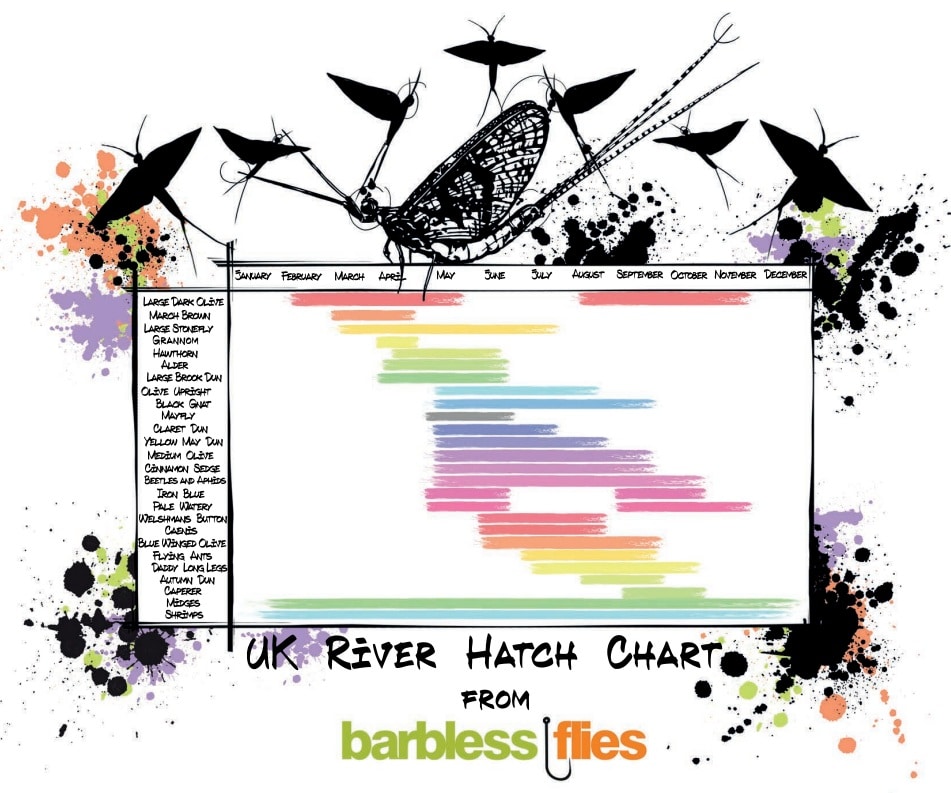
A reliable early season pattern on chalk streams, the Large Dark Olive is a must have when fish are looking up during those cool, steady hatches. Its slim profile and muted colouring make it a convincing match for the natural, particularly on overcast spring days when olives trickle off steadily and trout feed with confidence.
Grannom
A bubble-winged caddis makes an excellent standin for the traditional Cinnamon Sedge. The Grannom hatch can be one of the most energetic of the year, often sending trout into a brief but frantic feeding window. A bubble-winged caddis pattern offers added visibility and buoyancy, riding high in the surface film while still imitating the fluttery, nervous behaviour of the natural. It’s a great pattern to fish upstream with short, controlled drifts.
Black Gnats and spiders.
Hawthorn
Particularly effective on the Old River and Middle Cut during windy spring days, the Hawthorn hatch often coincides with blustery weather. Barton Court trout are easily tempted by wind-blown terrestrials landing helplessly on the surface, and this pattern mimics them perfectly. Its long legs and slightly oversized silhouette trigger confident takes—drift it naturally and be ready, as strikes can be sudden and aggressive.
Mayfly
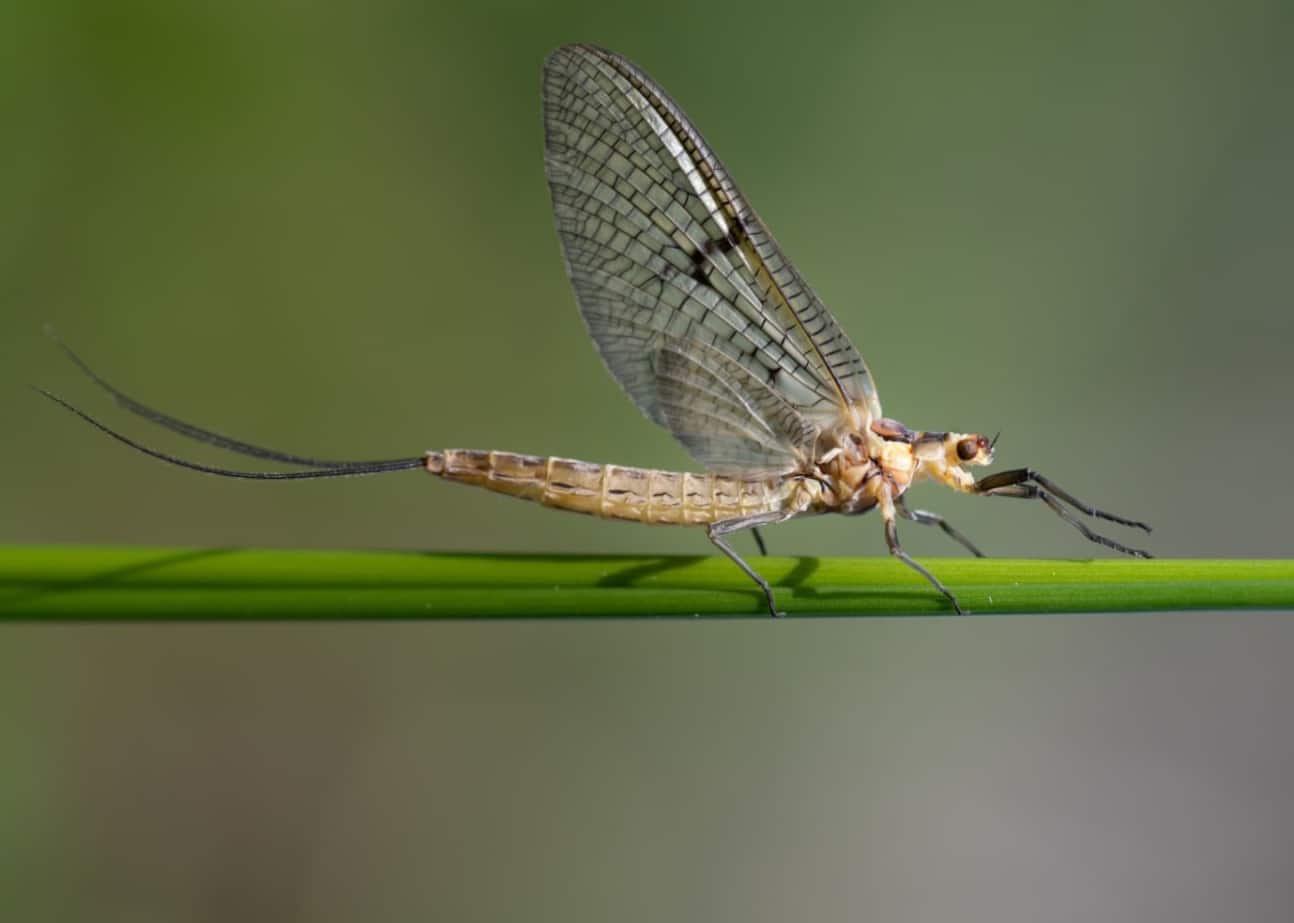
A French Partridge is an excellent early season choice when the mayfly season begins; few patterns generate as much anticipation. Early in the hatch, when duns are large and clumsy on the water, the French Partridge is a superb option. Its mottled flank feathers and full silhouette perfectly convey the unmistakable presence of a natural mayfly. Fish it confidently through riffles and glides where trout lie in wait for those big, vulnerable first hatch duns.
Why not try a Barrett’s Shaving Brush—a fly created at Barton Court in 1918 by Walter H. Barrett and one that has accounted for trout all around the world ever since. Its distinctive, upright profile and buoyant dressing make it an excellent attractor pattern, offering superb visibility and a lifelike presence on the water. A true piece of Barton Court history, and still every bit as effective today as it was over a century ago.
Iron Blue
A small but essential pattern, the Iron Blue comes into its own during cool, unsettled weather when hatches can be sparse yet trout selective. Its subdued tones and compact profile make it an ideal choice for wary fish sipping tiny upwing flies close to the surface. Particularly effective in the early season, when brief Iron Blue hatches can catch fish off guard.
Black Gnat
The Black Gnat remains a perennial favourite for clear water finesse. When trout are feeding on dark terrestrials or pinhead sized midges (try a size 18-20 and very fine tippet), this pattern’s simplicity and delicacy excel. Whether fished static on a gentle pool or drifted lightly along a margin, it’s one of the best ways to approach fish that are rising softly and suspiciously.
Alder Beetle
A dependable terrestrial that brings summer fish undone time and again. The Alder Beetle’s glossy back and rounded shape mimic the real insects that often topple from bankside vegetation. It’s particularly effective in slow meanders and under tree cover, where beetles naturally drop, ideal for coaxing trout that are cruising steadily in search of an easy meal.
Mayfly
After a few days of mayfly, a Baz can be deadly—especially early afternoon—when trout become more cautious
During the main mayfly hatch, bold, buoyant patterns work beautifully, but as the days roll on, the fish often grow selective. That’s where the Baz excels: a subtler, slimmer mayfly imitation that tempts the increasingly wary feeders, particularly through the early afternoon lull when trout settle into more deliberate, single rise rhythms.
Blue Winged Olive
A core chalk stream pattern, the Blue Winged Olive shines from late spring into summer. Its neat profile, slate wings, and olive body perfectly match those elegant evening upwing flies that often bring trout to the surface in steady, predictable rises. An absolute must for dusk, gentle glides, and any occasion where fish are feeding quietly but consistently.
Medium Olive
A versatile imitation that covers a wide range of olives throughout the season. Medium Olive patterns are superb when hatches are trickling off sporadically—enough to interest the trout, but not enough for them to fixate on a single stage. It’s a confident searching fly on chalk streams: simple, readable, and effective.
Sedges/Caddis Fly
I’ve probably caught more fish on a Goddard’s Sedge than all other flies put together. When the sedges are about, few patterns deliver more consistent results than a well tied caddis, and the Goddard’s Sedge, in particular, is a standout performer. Its clipped deer hair body keeps it riding high and visible, even in choppy water, while perfectly imitating the buoyant, skittery behaviour of natural sedges. Whether drifted cleanly or given the occasional twitch, it’s a pattern that has accounted for countless trout, especially during warm summer evenings when the water comes alive with fluttering adults.
Blue Winged Olive
Medium Olive
Sedges / Caddis Fly
Daddy Long Legs (Cranefly)
A superb terrestrial for breezy days and late summer sessions. The Daddy Long Legs’ long, sprawling legs and lightly tumbled posture create a vulnerable silhouette trout find hard to refuse—especially on chalk streams where wind blown insects often land helplessly on the surface. A slight twitch can seal the deal when fish are following but not quite committing.
Beetles and Other Small Terrestrials
From tiny bank beetles to small ants and midges, these humble terrestrials account for a surprising number of takes throughout the season. Their dark, compact profiles sit naturally in the surface film, making them excellent choices when fish are cruising under overhanging branches or lightly dimpling the surface in slow water. A simple foam or hackled beetle is often all you need to tempt wary, margin feeding trout.
Blue Winged Olive
Medium Olive
Pale Watery
A delicate, lightly dressed pattern that shines during warm, settled conditions. Pale Wateries can hatch sporadically yet trigger surprisingly selective feeding. Their small, pale yellow bodies and translucent wings require precise imitations, and a well presented Pale Watery is often the key to tricking trout sipping tiny duns in slow, clear water.
Sedges / Caddis Fly
From August onwards, switching to a Klinkhammer can be particularly effective, as its submerged body with a visible wing imitates emerging caddis and sedge adults, enticing more selective late season trout.
Daddy Long Legs (Cranefly)
A superb terrestrial for windy days and late summer magic. With its gangly legs and airy, vulnerable posture, a Daddy Long Legs creates an irresistible target for trout. Fish it close to the banks or let the breeze carry it naturally across the surface—trout rarely ignore a well-placed cranefly.
Nymphs
When fish aren’t looking up, a well-chosen nymph can turn the day around. On Barton Court, patterns with a subtle flash of orange or pink—paired with a touch of weight to help them settle naturally—are especially effective. These small highlights often provoke takes from otherwise indifferent fish, particularly in deeper runs or when olives are hatching subsurface.
Pale Watery
Large Dark Olive
A return of the olives for late season, this classic pattern remains dependable in September when olives are coming off under cooler or overcast conditions. Large Dark Olives bring trout up confidently, often in short, concentrated bursts. Their slim, understated profile matches the natural perfectly and is particularly effective in late afternoons, when the river feels quiet but fish begin to stir.
Iron Blue
Small, dark, and highly imitative—Iron Blues often hatch in cold snaps or unsettled weather, and trout can become surprisingly locked onto them. This subtle pattern excels during those brief windows when fish sip tiny duns close to the surface. Ideal for tricky, selective feeders in shallow riffles or smooth margins.
Sedges / Caddis Fly
Daddy Long Legs (Cranefly)
The ultimate late-summer terrestrial, the Daddy Long Legs creates a large, vulnerable outline that trout love. On Barton Court, they’re particularly effective in the quicker sections: cast them into pacey water and let them tumble naturally. Trout often hit them with surprising speed and confidence.
Beetles, Ants and Other Small Terrestrials
Nymphs
Nymphs are essential in September when trout often feed subsurface rather than rising for dries. Classic patterns like the Pheasant Tail, Hare’s Ear, and the Killer Bug work particularly well. Add a subtle flash of orange or pink to attract attention, and a touch of weight to help the fly reach the feeding zone. Nymphs are especially effective in deeper pools, slower glides, or under overhanging banks where trout are less likely to respond to surface flies.