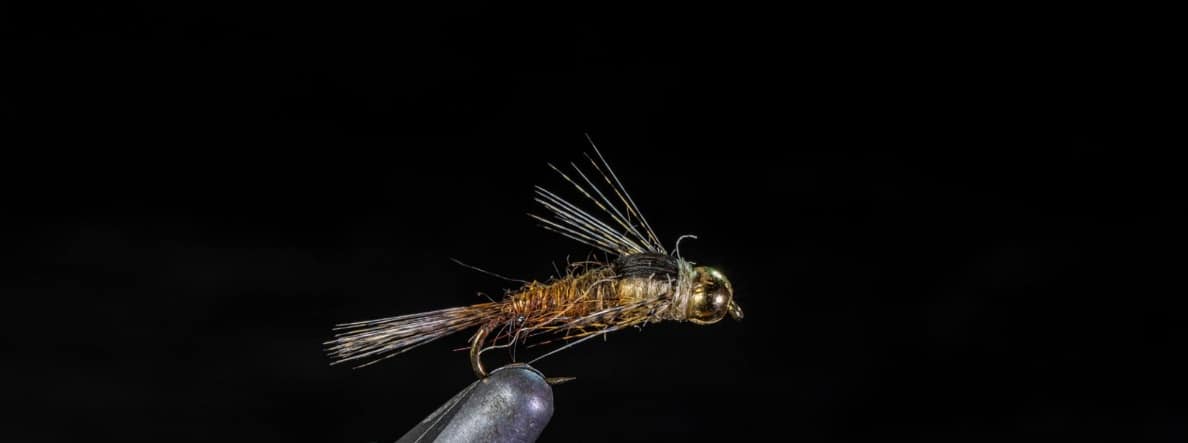
Nymphing: The Real Magic of the River
I’ll never forget that first trout I saw rising to a dry fly, the way it just lifts its nose and takes the fly. Almost like poetry. But the real magic for me can often be found under the surface.
That’s nymphing. Fishing the river the way trout see it. You’re drifting with their food, feeding where they feed, noticing all the little things you can’t always see. It’s subtle, effective, and honestly… addictive. Once you start, it sneaks into your mind even when you’re away from the water.
Why Nymphing Works
Most trout spend their lives eating nymphs, larvae, and tiny critters drifting below the surface up to 80% of their feeding time. That means:
• You don’t have to wait for a rise.
• You don’t have to hope for a hatch.
• Perfect weather doesn’t matter.
Even when the river looks still or lifeless, the trout are busy down there. I’ve had mornings when the surface looked like glass, and within minutes of switching to a nymph, I had a handful of fish. It’s a reminder that the river is always moving, even when it looks still.
A Bit of History
Nymphing didn’t start with fancy rigs or European techniques. It began with simple upstream spiders and wet flies. Over the years, styles from Czech, Polish, French, and Spanish anglers evolved into what we now call Euro or “tightline” nymphing.
It’s all about precision, depth, and feeling the subtlest movement. Anyone who’s tried it knows it can completely change the way you fish. And yes, it looks simple until you try it then suddenly it’s a whole new world.
Understanding the Drift
Ask any nympher for their secret, and they’ll tell you: the drift.
A perfect drift makes your fly move naturally with the current. No dragging, no lifting. And when it’s right… that take hits your line in a way that makes you jump—a tiny tap, a pause, or just a line that slows for a moment.
To get there, you need to read the water:
• Current seams: Trout love where fast water meets slow.
• Depth zones: Most nymph-eaters hang just off the bottom.
• Drag: Even the tiniest tension can make your fly look unnatural.
Get it right, and it feels like the river is talking to you. I remember when I was first taught nymphing and was instructed to look at the river like a conveyor belt, look at the flow and where it will be taking the trout’s food. Once you master this, it not only helps with nymphing but will increase your catch rate on the surface, too.
Three Ways I Nymph
Euro / Tightline Nymphing
No indicator, long leader, long rod. You feel every movement. Perfect for clear water, fast pockets, and getting deep quickly, especially in the colder months.
Indicator Nymphing
A New Zealand-style approach. The indicator shows subtle takes while suspending the fly. Works in wide glides, deep pools, or when fish aren’t hugging the bottom. Beginners often pick this up first because it helps with depth control. This is probably my favourite way of nymphing at Barton Court and is very easy to change from dry fly over to using an indicator.
Traditional Upstream Nymphing
The old-school method. Cast upstream with a lifted rod and light tippet. Great for spooky fish in chalk-stream pockets or when sight-fishing.
Choosing Flies
Trout aren’t fussy; they want suggestion, movement, and the right depth. My favourites here at Barton Court:
• Pheasant Tail Nymph – a universal classic
• Hare’s Ear – buggy, messy, impossible to resist
• Perdigon – slim, heavy, sinks fast
• Caddis larvae – essential on many rivers
Rule of thumb: depth beats pattern, every time. There are a million different colours, but what I’ve found that works at Barton Court is that a little flash of orange or pink can really up your catches.
Gear That Helps
• Rod: 10–11ft, #2–#4 for Euro work
• Leader: Long, tapered, sometimes up to 20ft for tightline
• Tippet: 6x–7x on chalk streams; slightly heavier on freestones
• Fly line: Short/level Euro line or a standard WF for indicators
• Polarised glasses: Essential for spotting seams, structure, and subtle takes
Final Thoughts
Nymphing isn’t just a technique—it’s a mindset. It teaches you to read the water, feel the river, and understand trout in ways a dry-fly day rarely does.
If a dry fly is poetry, nymphing is the river speaking. Once you start listening, you notice things you never saw before: every seam, every ripple, every tiny drift.
And here’s a tip I give anyone fishing Barton Court: strike at everything. You’d be amazed how many “snags” have fins.