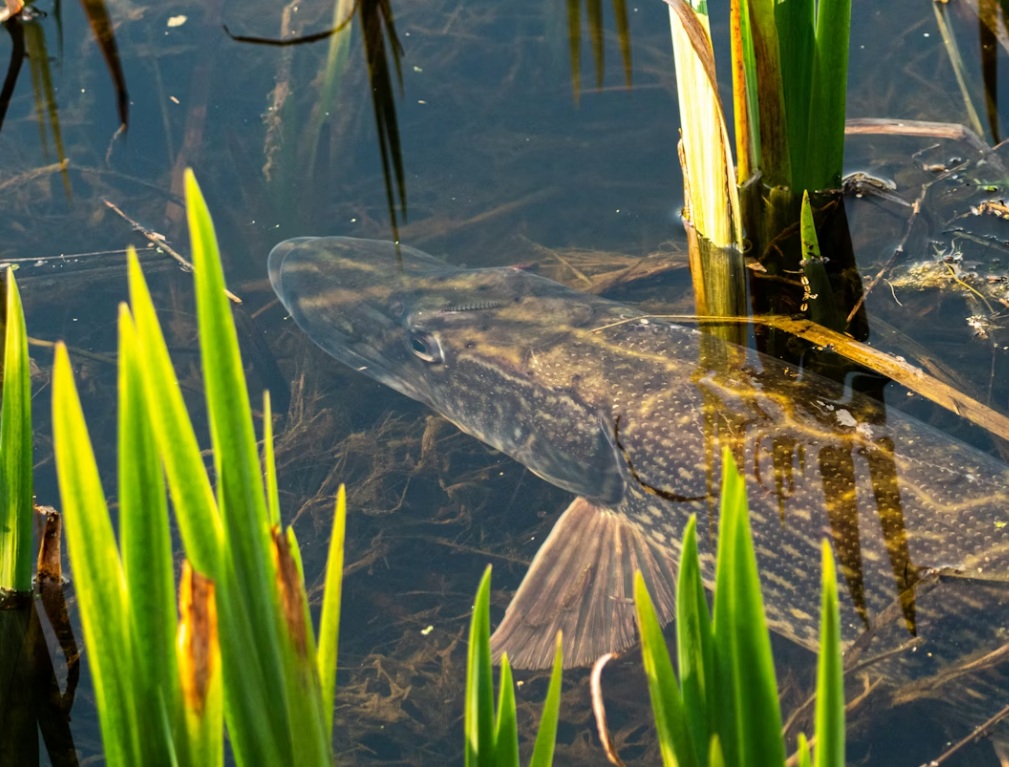
For decades, pike (Esox lucius) in England’s iconic chalk streams were maligned as the enemy, vermin that preyed on trout and undermined the prized salmonid fisheries. Now, many of those same rivers host a thriving winter pike-fly fishing scene. This transformation over the last few decades reflects broader changes in conservation, fishery management, and angling culture.
The Historical View: Pike as Vermin
Historically, pike were routinely culled from chalk stream fisheries. River keepers saw them as a direct threat to trout and salmon stocks. Fly fishing enthusiasts, especially those targeting elite chalk waters, often viewed pike predation as intolerable. For example, in the early 20th century, pike culls were significant. According to a fly-fishing guide on the River Test, in 1904, the keepers at the Houghton Club killed 635 pike in a single season.
Here at Barton Court, it was no different. George Cornwallis-West wrote in his 1932 book Edwardians go Fishing, “the first job he undertook was the removal of coarse fish, especially pike, done chiefly by netting, though a few were snared by means of wire placed at the end of a long pole, and great fun it was doing this. They could also be shot with a rifle, and even now it is an unforgivable sin for a guest staying at Barton Court to fail to report a pike he has marked down.”
Fly-Fishing Culture
The chalk-stream fly-fishing tradition itself was historically very trout-centric. Angling on streams like the Test, Itchen, Avon, and Kennet was dominated by upstream dry-fly doctrine, popularised by Frederic M. Halford in the late 19th and early 20th centuries. The rigid upstream-dry-fly code persisted for decades and reinforced a monocultural vision of the stream, where trout were king and other species, especially predatory ones, were to be minimised.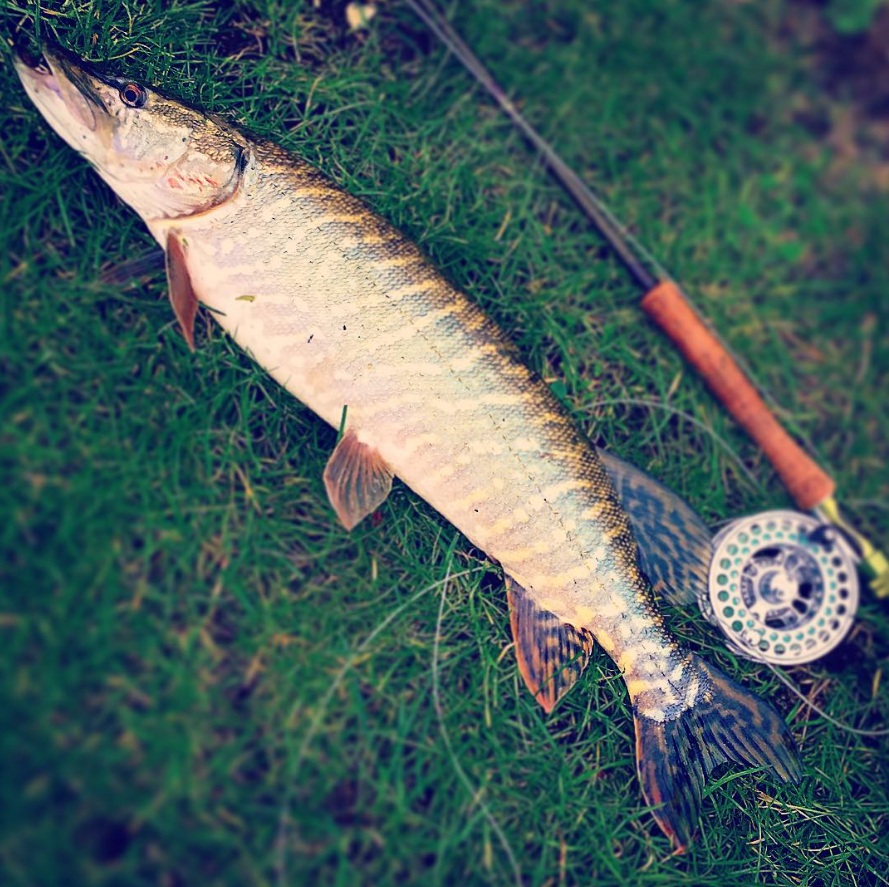
Ecological Blind Spots
For much of the 20th century, the ecological role of pike was underappreciated. Pike were regarded only in terms of their impact on economically valuable trout rather than as part of a balanced ecosystem. This persecution sometimes led to intensive removal efforts, via netting, electrofishing, and other methods. But this removal was not always ecologically effective in the long term. On the River Piddle, for instance, after pike were removed from a stretch of river, they rebounded within a few years. Many were juveniles, suggesting local spawning. Interestingly, while pike numbers returned, the size structure was very different, which had a greater effect on smaller fish and affected trout densities.
The Turning Point: Changing Attitudes and Conservation
Over the past few decades, there has been a growing ecological awareness. Chalk streams are globally rare, with around 200 worldwide and approximately 85% in England. Organisations like the Wild Trout Trust now emphasise restoring chalk-stream ecosystems rather than simply optimising them for trout. This is something that we are really trying to do at Barton Court. Restoration projects have focused on habitat, including weeds, gravel, and flow, not just fish removal, recognising the importance of ecological balance.
River keepers increasingly recognise that apex predators like pike are not just threats but assets, both ecologically and recreationally. Barton Court has a rich history with pike fishing. The River Kennet record pike actually came from Barton Court and was caught on our upper park stretch in 2007 at a whopping 33lb 2oz.
The Pike Anglers’ Club of Great Britain has pushed for more enlightened pike management, advocating for catch-and-release, safe handling, and respect for the species as a valued sport fish.
Meanwhile, on some chalk streams, pike culling has been reduced or stopped, replaced by regulated fishing and population monitoring.
Angling Culture Evolves
Fly anglers have discovered winter pike fishing as a compelling challenge. In the colder months, when trout and grayling fishing slows or stops, pike become a prime target. Chalk stream clarity and structure, including clear water, weed beds, and slow-flowing lanes, make them uniquely suited to sight-fly pike fishing. Anglers can often spot pike silhouetted against vegetation and cast deliberately.
However, the cultural shift has not been without tension. For some traditionalists, pike fly fishing on pristine trout beats remains “anathema”. Technically, the gear and tactics used for pike fly fishing are very different from trout fishing, with larger flies, wire traces, and a different casting style.
The Present-Day Reality: Pike as a Winter Resource
Many chalk stream estates and guided fishing companies now actively market winter pike-fly days. These provide income in the off-season and diversify the angling offering. For anglers, pike provide an attractive and under-exploited challenge, with fishing for a top predator on a fly rod being both technical and rewarding.
Ethical handling of pike has become more common, with catch-and-release, proper unhooking, using long-nosed pliers or forceps, and minimising stress now standard practice. Conservation groups and fishery managers recognise that pike contribute to ecological health, helping to regulate prey fish populations, remove weak or injured fish, and their presence can signal a more balanced, resilient river.
Balancing the needs of trout, grayling, pike, and the wider river ecosystem continues to be a complex task for river keepers.
The transformation of pike in England’s chalk streams over the past years is a powerful example of changing human attitudes, ecological thinking, and angling culture. What was once “vermin” has become, for many, one of the most exciting winter targets and a symbol of a more mature, balanced, and conservation-minded approach to managing these rare and precious rivers.
Please keep an eye out for pike fishing here at Barton Court this winter. If conditions allow, we will be opening a small number of days at the back end of the season for pike fishing on the fly, so keep your eyes peeled.