Beavers on the Horizon: A New Chapter for the River
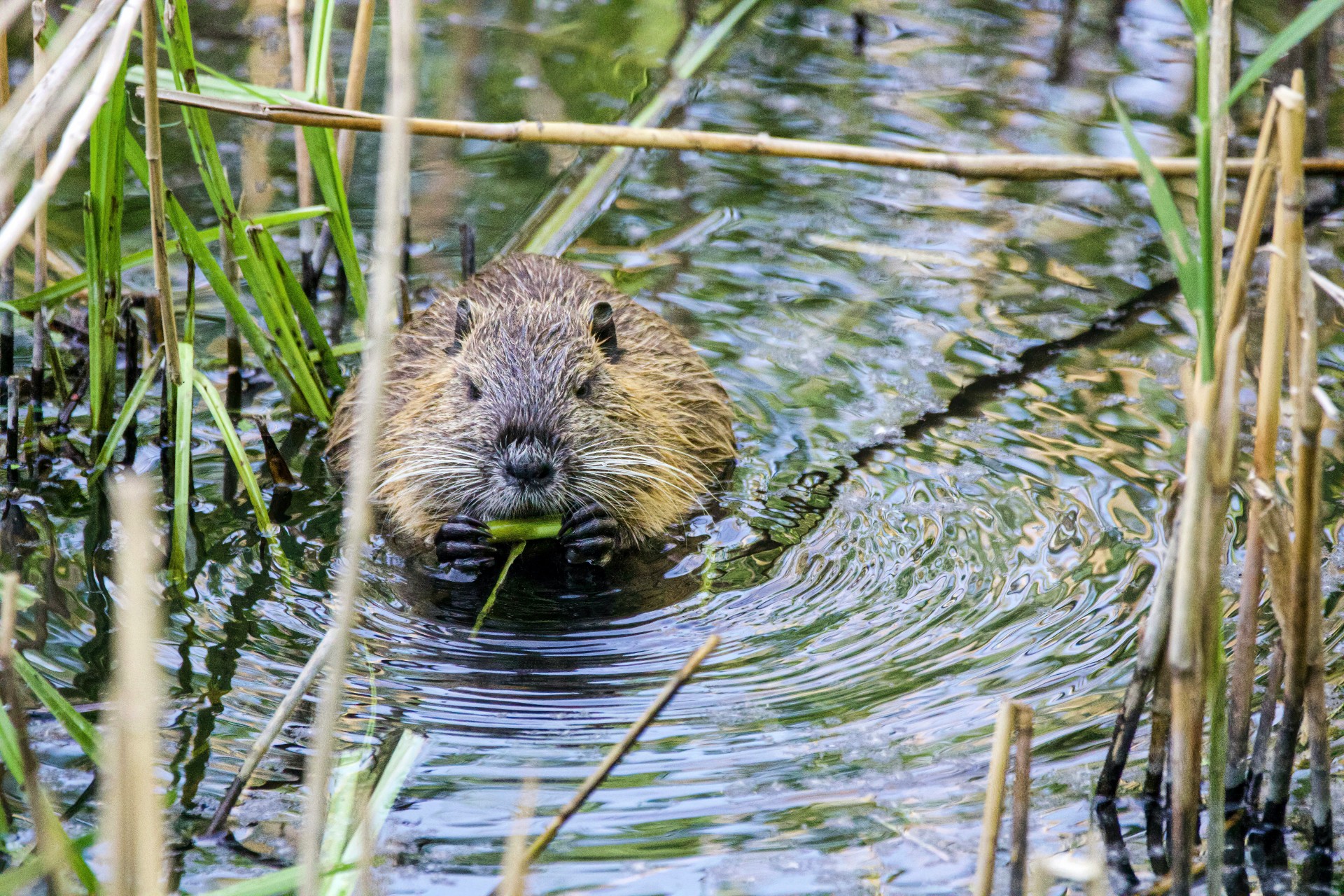
News travels quickly along a river, especially among people who spend their days watching it closely. Word from Craven Hill Estate, just four miles downstream, is that beavers have begun chewing trees along the banks. For anyone who hasn’t seen it before, beaver feeding is unmistakable: trunks whittled down to a sharp point, almost like a giant pencil, with clean wood chips scattered around the base. It’s not the work of floodwater or wind. It’s very deliberate, and it marks the arrival of one of Britain’s most controversial returning mammals.
Beavers vanished from our rivers centuries ago, but recent licensed reintroductions have been quietly reshaping waterways across the UK. Their presence today isn’t the result of escapees or rumour. It’s part of a wider movement in river restoration and natural flood management. Wherever they settle, they change the character of the water. For anglers, that makes them especially interesting.
What This Means for Fish
The obvious question is what this means for fish. The popular image of a beaver is a saboteur of flowing water, building dams that slow a river and push everything into a sluggish pool. But the reality is more nuanced. In established beaver catchments, the creation of wetlands and slack water tends to increase the abundance of invertebrates, the very foundation of the food chain. Off-channel pools become nurseries for juvenile trout, where fry and parr can hide from predation and winter spates. Adult fish often remain in the faster channels, which usually continue to run alongside or around the beaver structures. It doesn’t necessarily create more big fish exactly where we’re used to finding them, but it can improve recruitment and resilience across the river as a whole.
Are Beavers Heading Here?
The next question, and the one many anglers will be thinking, is whether they’re heading here. Beavers expand upstream gradually, usually between one and three miles a year. With activity already recorded four miles downstream, it’s not hard to imagine the first signs appearing at Barton Court within the next one to three seasons. The structure of our river, with good marginal cover, mature willow, side flows, and restored meadow land, offers exactly the sort of habitat that tends to appeal to dispersing beavers. It’s not a matter of if they could arrive here, but when.
Why Beavers Are Being Reintroduced
At a national scale, beavers are being used to hold more water in the landscape, to take the sting out of flash flooding, to create and protect wetlands, and to re-establish some of the natural functions that our rivers lost long ago. Whatever one thinks of them, they are increasingly part of the management conversation for rivers like ours.
Will We Actually See Them?
Perhaps, but most people never do. Beavers are largely nocturnal and wary of disturbance. Long before an angler glimpses the broad back and V-shaped wake of an animal crossing a pool at dusk, the clues will already be there: newly cut willow near the waterline, neat feeding stations, mud slides running like ramps into the river.
I have travelled down to the river Otter in Devon several times, this was one of the first reintroduction areas in the hope to see a friendly resident called Pinky. Unfortunately I haven’t been lucky but the signs are everywhere. Maybe ill see one here in the not to distant future.
What matters most for fisheries is not panic, but observation. Across the UK, the most successful estates and clubs are learning how to coexist with beavers while continuing to protect water levels and fishing quality. Where dams are harmless, they are often left. Where water begins to spill into fields or threaten access points, licensed notching at the right time of year keeps everything in balance.
Looking Ahead
For now, the news from Craven Hill offers a fascinating look at the future of the river. Whether it takes a year or three, the day will likely come when the signs creep upstream and Barton Court becomes part of the beaver story too. When that happens, anglers will be among the first to notice, because there are few people who understand a river’s rhythms more closely than those who fish it.